
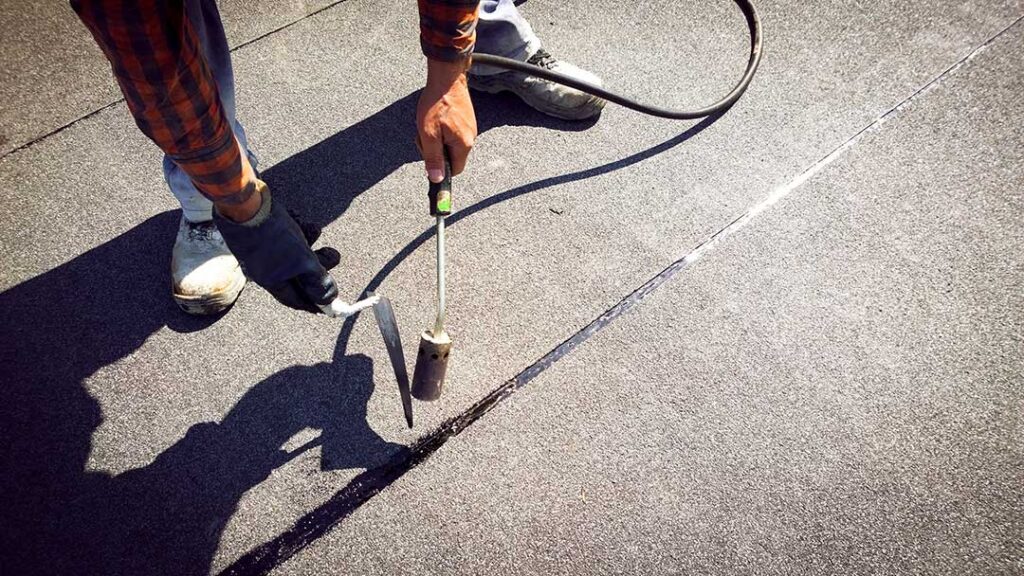
A roof leak is more than a surface problem. Water that enters through damaged shingles, flashing, vents, or roof edges can travel through insulation and framing before anyone notices a stain on the ceiling. In Camillus, NY, repeated rain, snow, ice, freeze-thaw cycles, and seasonal humidity can give a small leak many opportunities to cause structural damage.
How does a roof leak affect a house?
A leaking roof can damage the materials that support, enclose, and insulate a home. The most common concerns are weakened roof framing, deteriorated sheathing, damaged ceilings and walls, mold growth, and electrical hazards.
Water does not always drip straight down. It may run along rafters, trusses, roof decking, insulation, plumbing pipes, or wiring. As a result, the visible stain may be several feet away from the actual entry point.
Even a small amount of water can become a larger structural concern if the leak continues through multiple wetting and drying cycles.
Which parts of the structure are most vulnerable?
The roof system and the areas directly below it usually experience the earliest damage.
Roof decking
Roof decking, sometimes called roof sheathing, is the layer attached to the top of the rafters or trusses. It provides a base for the roofing materials and helps distribute loads across the roof.
Repeated moisture can cause decking to:
- Swell or warp
- Soften and lose strength
- Delaminate into layers
- Develop fungal decay
- Pull away from fasteners
A small soft spot may not be visible from inside the attic. Walking on weakened decking can also be dangerous because the material may no longer support normal weight.
Rafters and trusses
Rafters and trusses carry the roof’s weight and transfer it to the exterior walls. If water reaches these members, prolonged dampness can lead to rot, splitting, corrosion around fasteners, or loss of strength.
Structural wood does not usually fail after one brief leak. The risk increases when the same area remains wet, has poor ventilation, or is repeatedly exposed to moisture. Damage can be difficult to see when insulation blocks the view.
Attic insulation
Wet insulation loses much of its ability to slow heat transfer. Some types can also become compressed, contaminated, or difficult to dry completely.
In winter, damp insulation may contribute to heat loss and uneven roof temperatures. That can increase the likelihood of ice forming along colder roof edges. Ice buildup can force water beneath roofing materials and worsen an existing leak.
Can a ceiling stain indicate structural damage?
A ceiling stain does not automatically mean that the ceiling structure is failing, but it should not be dismissed. The stain shows that water has reached the interior finish, and the materials above it may have been wet for longer than the stain has been visible.
Signs that deserve prompt attention include:
- A ceiling that feels soft, swollen, or sagging
- Cracking around the stained area
- Bubbling paint or separating drywall tape
- Damp insulation in the attic
- Musty odors
- Darkened or crumbling wood
- Water appearing near light fixtures or electrical wiring
A sagging ceiling is especially concerning because wet drywall can become heavy and detach from its fasteners. People should avoid standing beneath a visibly bulging area until the source and condition are understood.
Why can leaks be difficult to locate?
The point where water enters the roof is often not directly above the interior damage. Water may travel horizontally along the underside of the roof decking before dripping onto insulation or a ceiling surface.
Common entry points include:
- Missing, cracked, or lifted roofing materials
- Damaged flashing around chimneys, walls, and roof edges
- Plumbing vent openings
- Skylights or other roof penetrations
- Valleys where two roof sections meet
- Ice-related damage near eaves
- Blocked or poorly draining roof-edge systems
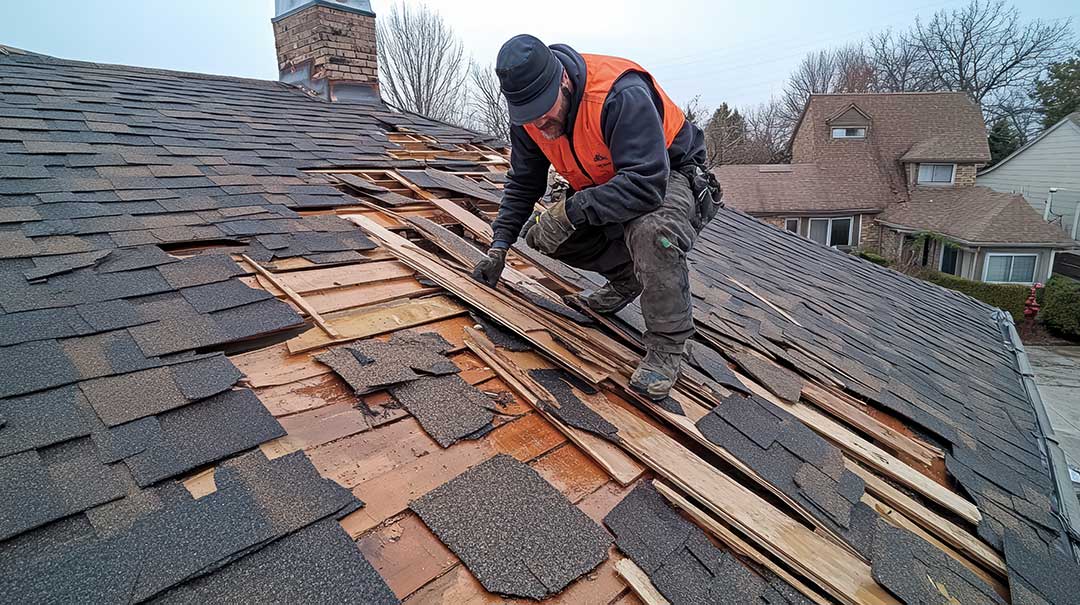
A leak may also appear only under certain conditions. Wind-driven rain can reach areas that remain dry during calm weather. Snow that melts during a warm spell can expose weaknesses that are not noticeable during ordinary rainfall.
How do winter conditions increase the risk?
Cold-weather conditions can make a roof leak more persistent or harder to identify. In this region, snow can remain on a roof for extended periods, while temperature changes create repeated freezing and thawing.
Ice can form near roof edges when heat escapes from the attic and melts snow higher on the roof. The meltwater may reach a colder edge, freeze, and create a barrier. Additional water can then collect behind the ice and move beneath roofing materials.
Freeze-thaw movement can also enlarge small cracks in flashing, masonry, sealants, and roofing components. A defect that allows only occasional moisture during autumn rain may become more active during winter or early spring.
Can a leak damage walls, floors, or the foundation?
Yes. Water can travel beyond the attic and ceiling. If it moves through wall cavities, it may wet insulation, wood framing, drywall, trim, and flooring. Long-term moisture around windows, exterior walls, or roof-to-wall connections can contribute to staining and deterioration.
A roof leak usually does not directly damage a foundation in the same way that groundwater or drainage problems do. However, water released inside wall cavities can move downward and affect lower levels. It may also combine with poor drainage, clogged gutters, or existing moisture problems around the base of the home.
That is why the full path of the water matters, not just the location of the first visible mark.
What should residents do after discovering a leak?
The first priority is reducing immediate damage and avoiding hazards.
- Place containers beneath active drips, but do not stand under a sagging ceiling.
- Move furniture and belongings away from the affected area.
- If water is near a light fixture, outlet, or electrical panel, avoid touching the fixture and use caution before entering the area.
- Photograph stains, wet materials, and visible roof damage for maintenance records.
- Check the attic only if it can be done safely and without stepping on uncertain surfaces.
- Watch for changes after rainfall, snowmelt, or strong wind.
Temporary measures may limit additional water entry, but they do not restore damaged decking, framing, insulation, or interior finishes. Wet materials need enough time and airflow to dry, and some porous materials may remain contaminated or structurally compromised even after they feel dry.
How can a homeowner tell whether damage is becoming structural?
Structural warning signs include sagging roof lines, visibly deflected rafters, cracked or displaced framing, widespread ceiling movement, doors that suddenly stick near a damaged wall, and roof decking that feels soft or gives under light pressure.
These symptoms can have causes other than a roof leak, but they should be treated cautiously. Roof areas with suspected structural damage should not be walked on, especially when snow, ice, or wet conditions are present. Evaluation may require someone qualified to assess structural wood, electrical safety, or concealed moisture.
Prompt attention is particularly important when a leak has continued through several storms, when the attic smells strongly musty, or when the same area has been repaired more than once. Repeated staining often means the source was missed, a second leak developed, or hidden materials never fully dried.
A roof leak is easiest to manage before water reaches framing and interior finishes. Regular visual checks from the ground, careful attic observations, and attention to stains after rain or snowmelt can help identify moisture before it becomes a larger problem.
