
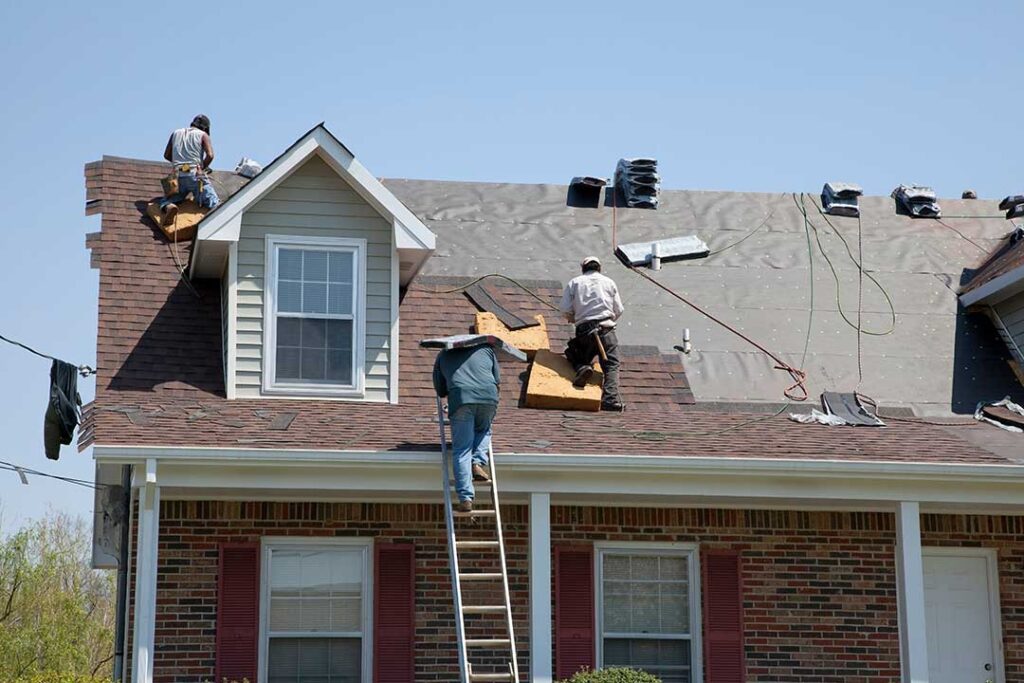
Can Sports Balls Really Cause Roof Damage in Camillus, NY?
Briefly, yes. Sports balls—including soccer balls, basketballs, footballs, and baseballs—can cause different types of roof damage when they strike, roll across, or become stuck on residential roofs. In Camillus, many homes have sloped roofs with asphalt shingles, which are susceptible to various issues stemming from repeated impacts or ongoing contact with objects.
While a single instance may not always leave visible damage, repeated or forceful hits, or balls left to sit for weeks, can weaken or damage roofing materials over time. Roofs in this area are already challenged by weather extremes, so additional impacts or stress from recreational activities may speed up the roofing wear-and-tear cycle.
What Types of Roof Damage Can Sports Balls Cause?
The most common forms of damage from sports balls include:
- Shingle Loosening or Breakage: Strikes from hard balls, especially baseballs or lacrosse balls, can crack, chip, or dislodge asphalt shingles. Even softer balls can lift or wear down shingles when rolling across the surface repeatedly.
- Granule Loss: Many local roofs use asphalt shingles covered in granules for weather protection. Abrasive impacts or dragging objects can scrape off these granules, reducing lifespan and weather resistance.
- Gutter Dents and Blockages: Balls caught in gutters can bend metal, break brackets, or create blockages, especially during heavy rain or snow melt.
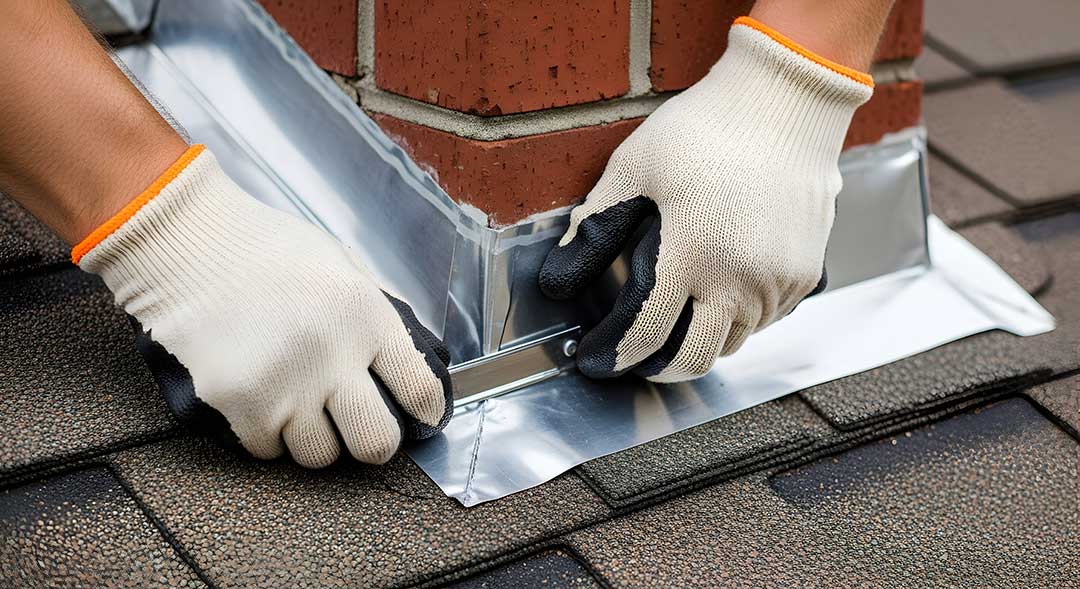
- Flashing and Sealant Disruption: Impacts near vents, flashing, or chimneys can loosen or shift roofing materials intended to prevent leaks.
- Hidden Damage: Not all problems are visible from the ground. Repeated impacts can create micro-cracks or shift elements enough to allow water intrusion over the course of months.
In Camillus, harsh freeze-thaw cycles mean that any existing weakness from a ball strike can worsen quickly, as water seeps into cracks and expands.
How Does Camillus’ Climate Influence Risks from Sports Balls on Roofs?
Camillus experiences snowy winters, wet springs, and windy conditions. This climate makes roofs vulnerable to small openings or insecure materials:
- Water from melting snow or heavy spring rains can exploit even small cracks left by impacts.
- Wind may roll or push balls across the roof, increasing contact points and friction damage.
- Wet balls—such as those thrown onto roofs during rainy weather—can accelerate wear on shingles or encourage moss and algae growth where they stay in place.
- In winter, balls stuck on roofs can hold snow or ice in place, increasing weight and creating prolonged wet spots—further risking leaks or ice dam development.
Households with children or sports enthusiasts who play in driveways, backyards, or neighborhood streets are more likely to experience these risks.
Are Certain Roofing Materials More Vulnerable?
Yes. In Camillus, the majority of homes use asphalt shingles, which are easily marked, loosened, or granularly abraded by repeated impacts or friction. Other roofing types, such as cedar shake, slate, or metal, each face specific risks:
- Asphalt Shingles: Can lose granules, crack, or curl if struck often enough or if a heavy object rests for days.
- Cedar Shake: Split or dent from hard balls. Can trap moisture if a ball sits for long periods.
- Slate: Though more durable, a direct hit from a heavy ball can chip or fracture tiles, which are expensive to replace.
- Metal: Dents easily, especially thinner gauge roofing. Accumulated balls can scratch coatings and encourage rust along scratches.
What Should Residents Do If a Ball Hits or Stays on Their Roof?
If a ball strikes the roof but does not remain, basic steps include:
- Visual inspection from the ground for loose or missing shingles, dented gutters, or visible marks.
- Listening for new sounds (e.g., dripping or wind noises) inside the attic after a major hit, especially in rainy periods.
If a ball becomes lodged or stays on the roof for more than a few days:
- Safely attempt retrieval using a long pole or by waiting for it to fall naturally—never climb onto a roof, especially when wet or icy.
- After removal, check for visible debris, shingle movement, or gutter blockages from the ground.
- If there are any significant dents, missing materials, or new moisture issues in ceilings or attic, consider getting a closer inspection by someone knowledgeable in roof safety.
Children and teens should know not to repeatedly throw balls at or onto the roof, as even infrequent impacts can build up over years.
Are These Issues Covered by Standard Homeowners’ Insurance?
Typically, standard homeowners’ policies in the area do not cover preventable maintenance issues, but they may cover sudden accidental damage in certain scenarios:
- Repeated impacts often fall under neglect or lack of maintenance and are not covered.
- Singular, significant events (such as a large tree limb being detached by a ball and damaging the roof) may be covered.
- Residents should check individual policies for specific exclusions or consult with their insurance provider for clarity.
Proactively preventing sports ball damage remains the best way to avoid complications.
What Are Some Practical Tips for Preventing Sports Ball Roof Problems?
Local residents can reduce risks with a few simple habits:
- Set up play areas or basketball hoops away from the house or garage when possible.
- Encourage children to keep games a good distance from the property or use soft foam balls for backyard activities near the home.
- Perform regular visual roof and gutter checks, especially in the spring and after heavy play sessions.
- If your home backs onto parks or public spaces, be aware of possible errant balls and monitor for unexpected impacts.
- Remind everyone in the household not to use the roof as a “target” for trick shots—even infrequent games can leave lasting marks.
For homes where ball games are frequent, consider using leaf guards or gutter screens to minimize gutter blockages from objects.
