
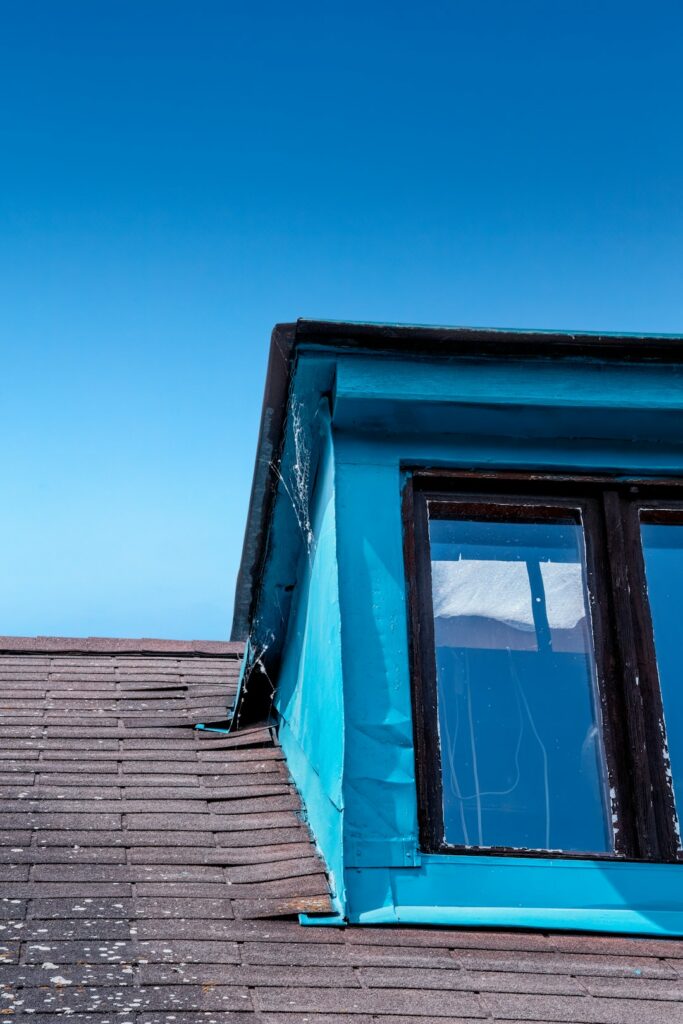
Roof damage can worsen quickly, especially after heavy snow, wind, ice, or freeze-thaw cycles. The safest response is to protect people first, limit interior water damage, document what happened, and avoid temporary repairs that create additional hazards.
What counts as a roofing emergency?
A roofing emergency is any condition that allows water, snow, or wind to enter the home or creates an immediate safety risk. Missing shingles alone may not require action during a storm, but an opening over a bedroom, active ceiling collapse, or exposed electrical wiring requires prompt attention.
Common emergency situations include:
- A tree limb or branch breaking through the roof
- Water pouring through a ceiling or collecting in the attic
- A large section of shingles or membrane blowing away
- A sagging roof deck or ceiling
- Ice or snow damaging roof edges, flashing, or gutters
- A chimney, vent, or skylight becoming detached
- Roofing materials landing near doors, walkways, vehicles, or utility lines
In Camillus, winter weather can involve snow, freezing rain, sleet, strong winds, and rapid temperature changes. Those conditions can turn a small roof defect into an active leak, particularly around valleys, chimneys, plumbing vents, skylights, and areas where older flashing has separated.
What should be done first after roof damage?
Start by moving people and belongings away from the affected area. Do not stand beneath a visibly sagging ceiling, and do not enter an attic if the roof structure appears unstable or water is near electrical equipment.
If water is entering:
1. Place containers under steady drips only if doing so does not require standing beneath a bulging ceiling.
2. Move furniture, electronics, rugs, and other valuables away from the leak.
3. Use towels or plastic sheeting on floors to limit spreading water.
4. Turn off electricity to the affected area only if the electrical panel and surrounding area are dry and safe to reach.
5. Leave the home or affected portion of it if there is a strong smell of gas, visible structural movement, sparking, or widespread electrical exposure.
A ceiling bubble should not be punctured casually. Although draining it may sometimes reduce the weight of trapped water, puncturing the ceiling can release water suddenly and may expose electrical wiring. If the ceiling is sagging significantly, keep clear and treat the situation as a structural hazard.
Is it safe to climb onto the roof during an emergency?
For most homeowners, no. A wet, icy, snow-covered, steep, or damaged roof is not a suitable surface for emergency inspection. Roofs may also contain hidden weak areas where the decking has softened from water intrusion.
Avoid roof access during rain, snow, freezing temperatures, high winds, or lightning. Never climb onto a roof that has been struck by a tree or damaged by a falling object until its structural stability has been evaluated.
Ladders create additional danger. They can slide on snow or wet pavement, shift against gutters, or come near overhead electrical lines. Metal ladders should not be used around power lines, and even a fiberglass ladder does not make an unstable setup safe. A ladder should never be placed on top of snow, ice, boxes, furniture, or other improvised supports.
A roof inspection from the ground can still provide useful information. Look for missing sections, displaced metal, visible holes, sagging lines, fallen debris, and water stains inside the attic or upper floors. Do not use binoculars or cameras as a reason to get closer to an unsafe edge.
Can a tarp be used as a temporary roof repair?
A properly secured tarp can reduce additional water entry, but installing one is not automatically safe. A tarp should not be placed during active wind, rain, sleet, or lightning. It should also not be installed over a roof with uncertain structural strength.
For a short-term ground-level measure, a heavy waterproof covering may be positioned over a broken window, exposed wall opening, or other accessible area if it can be secured without climbing. Do not pull a tarp tightly across sharp debris or use nails in a way that creates more penetrations than the original damage.
A temporary covering is not a permanent repair. Water can travel beneath it, wind can loosen it, and trapped moisture can damage decking, insulation, and interior finishes. Once weather conditions improve, the damaged area still needs a careful inspection and a repair plan.
What should homeowners document for insurance?
Take photographs and video from safe locations before cleanup or temporary covering changes the appearance of the damage. Include wide views showing the affected room or roof slope, along with close-ups of broken materials, water stains, fallen branches, damaged ceilings, and personal property.
Useful records include:
- The date and approximate time of the storm or discovery
- Weather conditions, such as high wind, heavy snow, or ice
- A description of what happened
- Photos of exterior and interior damage
- A list of damaged belongings
- Receipts for emergency materials or necessary temporary work
- Notes about when water first appeared and whether it continued
Do not discard damaged roofing materials or belongings until their condition has been documented, unless they present a health or safety hazard. Keep damaged items in a dry location when possible.
Insurance coverage depends on the policy, the cause of damage, maintenance history, deductibles, and exclusions. A roof damaged by a sudden covered event may be treated differently from a long-term leak caused by deterioration. Documentation helps establish the timeline without assuming the claim will be accepted.

What emergency repairs should wait?
Some actions create more risk than benefit and are best postponed until conditions are safe:
- Scraping ice from a roof with a shovel or metal tool
- Walking on shingles that are wet, icy, or frost-covered
- Pulling down attached branches before checking for electrical wires
- Removing snow from a damaged roof without proper equipment
- Using a heat source to melt ice near shingles, wiring, or combustible materials
- Applying roofing cement to a large wet area during a storm
- Covering an active electrical hazard with plastic
- Running a generator inside a garage, porch, basement, or enclosed area
Snow and ice should not be removed from a roof by untrained occupants simply because the roof looks heavily loaded. Uneven removal can shift weight and damage shingles, flashing, gutters, or framing. Falling ice and snow can also injure people below.
How can emergency roof problems be prevented?
Routine observation is especially useful before winter and after major storms. From ground level, check for curling or missing shingles, rusted flashing, loose chimney caps, clogged or sagging gutters, exposed fasteners, and tree limbs that could scrape the roof.
Inside the home, watch for attic dampness, musty odors, darkened wood, peeling paint, and recurring ceiling stains. A leak may appear several feet away from the actual entry point because water follows rafters, insulation, and roof decking.
Keeping a basic emergency kit can also help limit damage:
- Plastic sheeting and waterproof storage containers
- Towels, buckets, and a sturdy flashlight
- Batteries and a battery-powered weather radio
- Work gloves and eye protection
- A camera or phone with sufficient storage
- Contact information for insurance and utility services
- A plan for moving vehicles and outdoor furniture before major storms
The most reliable emergency response is not the fastest trip onto the roof. It is a careful sequence: protect occupants, control interior damage, stay away from unstable surfaces and electrical hazards, document conditions, and wait for safe weather before permanent repair work begins.
