
What Are Roof Valleys and Why Do They Matter in Camillus, NY?
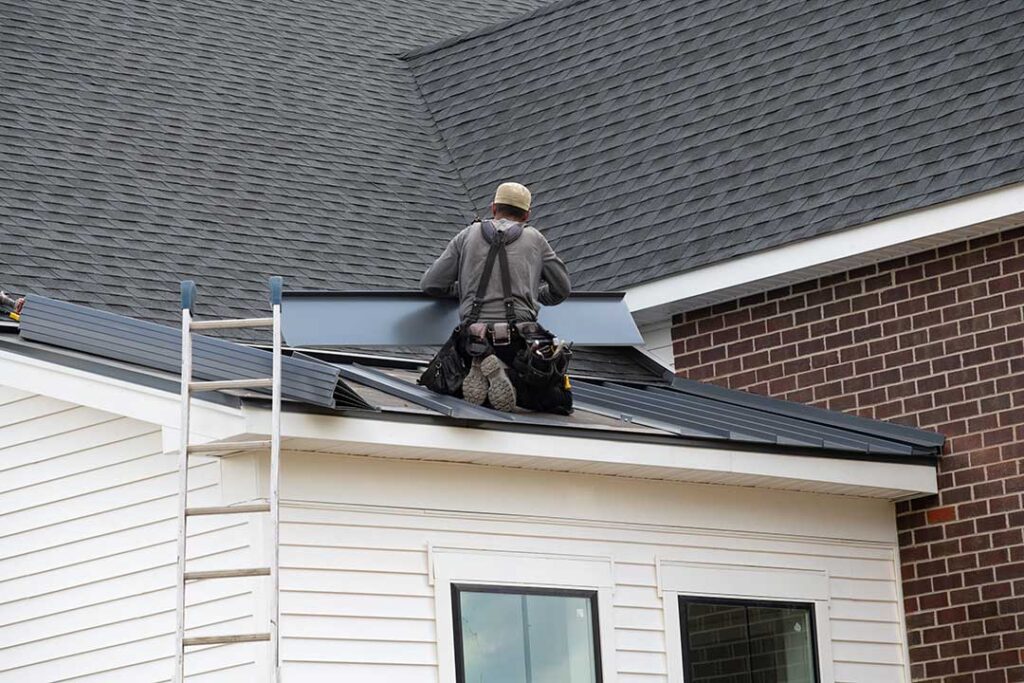
Roof valleys are the areas where two angled roofs meet and channel rainfall or melting snow down to the gutters. In Camillus, NY, the mix of snowy winters, spring thaws, and summer rain makes these valleys especially important for preventing leaks and protecting attics and interiors. Because valleys handle concentrated water flow, they’re often the first sections to show trouble if there’s a roofing issue.
How Can Residents Spot a Failing Roof Valley Early?
Early signs of a failing roof valley often appear before major leaks. Local residents can look for:
- Discolored streaks or damp spots on interior ceilings near valley lines, especially after storms or during snowmelt
- Shingles in the valley that appear worn, curling, cracked, or missing
- Accumulations of debris, such as leaves or pine needles, that never seem to wash away with rain
- Rust or exposed metal where flashing should be hidden
- Crumbled or missing roofing cement along valley seams
While obvious water stains or drips are a red flag, more subtle signs like bubbling paint or musty smells near valley-connected walls can also point to moisture seeping inside.
What Makes Roof Valleys in Camillus Vulnerable?
Valleys are under constant stress due to how water and melting snow flow into them. In Camillus, a few local climate factors come into play:
- Heavy accumulations of snow and ice put extra weight and moisture on valleys through winter and spring
- Freeze-thaw cycles can work water under shingles, then expand gaps as ice forms
- Wind-driven rain during summer thunderstorms can push water uphill or sideways, testing the watertight seal in valleys
Older homes in the city may use traditional woven valleys (where shingles overlap), while newer roofs might rely on metal flashing valleys. Each has its weak points, particularly as materials age or as wind, debris, and UV exposure take their toll.
Which Problems Are Easy to Mistake for Normal Wear?
Not all visual changes in a valley mean disaster, but some problems are misunderstood:
- Minor granule loss on shingles after heavy storms is normal—widespread bald patches or soft, worn spots are not
- Algae or moss in valleys is common, especially in shaded areas; persistent growth often means trapped moisture below
- Small amounts of leaf debris are expected in fall, but long-term blockages lead to moisture trapping and rot
- Some metal flashings will naturally dull or spot. Blistering, widespread rust, or abrupt color changes can reveal deep water damage or aging seals
How Does Valley Design Affect the Risk of Leaks?
Camillus homes feature several common valley types, each with pros and cons:
- Open metal valleys are durable but require perfectly tight seals where shingles meet metal
- Closed-cut shingle valleys keep metal hidden but can trap moisture between shingle layers if gaps open up over time
- Woven valleys rely on overlapping shingles, which can flex under snow or ice loads and eventually crack
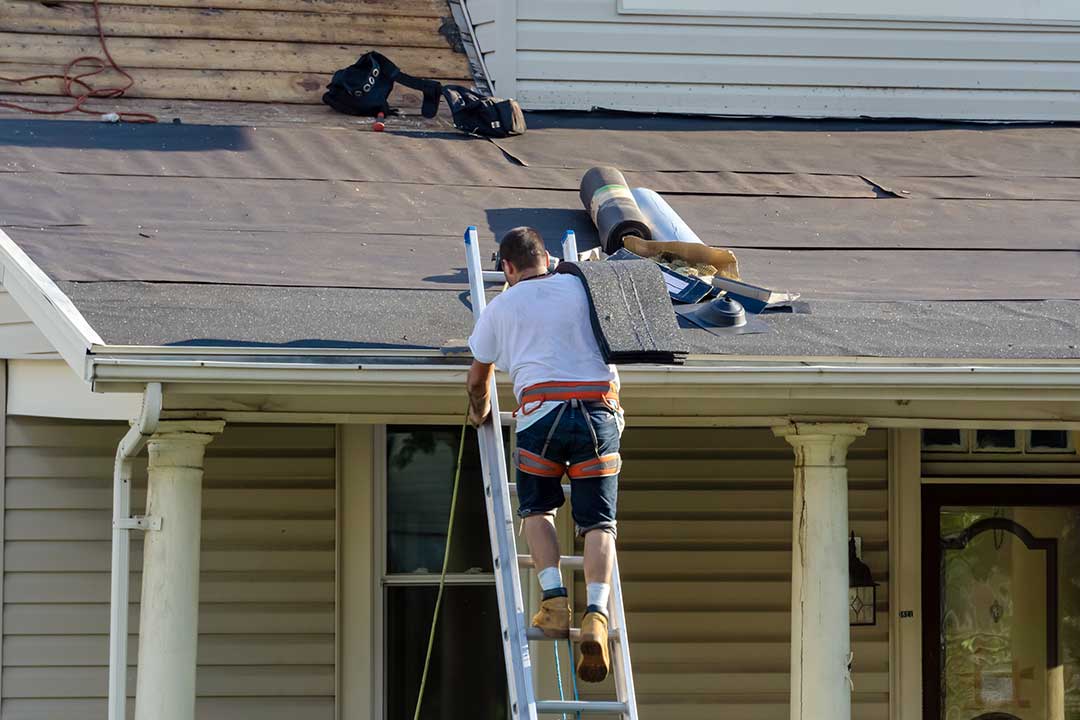
On most homes in the area, the angle of the valley and overhanging trees can also play a role. Steeper valleys shed water faster but may experience more wind-driven rain. Shaded or north-facing valleys see more moss and longer-lasting wetness after storms or snow.
Why Are Roof Valleys a Frequent Leak Spot After a Harsh Winter?
After a tough winter in Camillus, ice dams and heavy snow are the main causes of new leaks at valleys. As ice builds up along gutters and lower roof edges, water backs up into the valleys, sometimes creeping under shingles. As the ice melts, that trapped water finds any weak point or aging seal. This phenomenon is so common that valley leaks are among the top spring home maintenance headaches for local homeowners.
What Can Homeowners Check Safely from the Ground?
Residents do not need to climb onto their roofs to spot several valley concerns:
- Looking up on a dry day, note any sagging or uneven shingle lines where two roof planes meet
- After rain, check for persistent wet areas below roof valleys, either along exterior walls or in attics
- On snowy days, watch for uneven melting or ice formation along valleys—a cold, snow-covered valley amid otherwise bare shingles suggests poor insulation or trapped moisture below
With binoculars or a camera zoom, it’s possible to spot lifted shingles, visible gaps where valley flashing meets the roof, or buildups of organic material.
Common Misconceptions About Roof Valley Damage
Some area homeowners mistakenly believe valleys can be ignored if the rest of the roof looks good. In fact, valley issues can start well before widespread roof aging. Another misconception is that only visible leaks signal trouble, when hidden moisture often causes mold and insulation damage long before a leak appears indoors.
Weather Events and Their Lasting Impact on Roof Valleys
Major storms, wind events, or rapid thaws can speed up valley deterioration. Periodic inspections after these events are smart preventive maintenance. In recent years, increased rainfall and heavier spring thaws in the community have led to more reported valley problems, especially on roofs over 15 years old.
Understanding the signs of a failing roof valley—and knowing how local weather, home design, and normal aging combine to create these vulnerabilities—helps area homeowners spot trouble before it leads to costly repairs or structural damage.
