
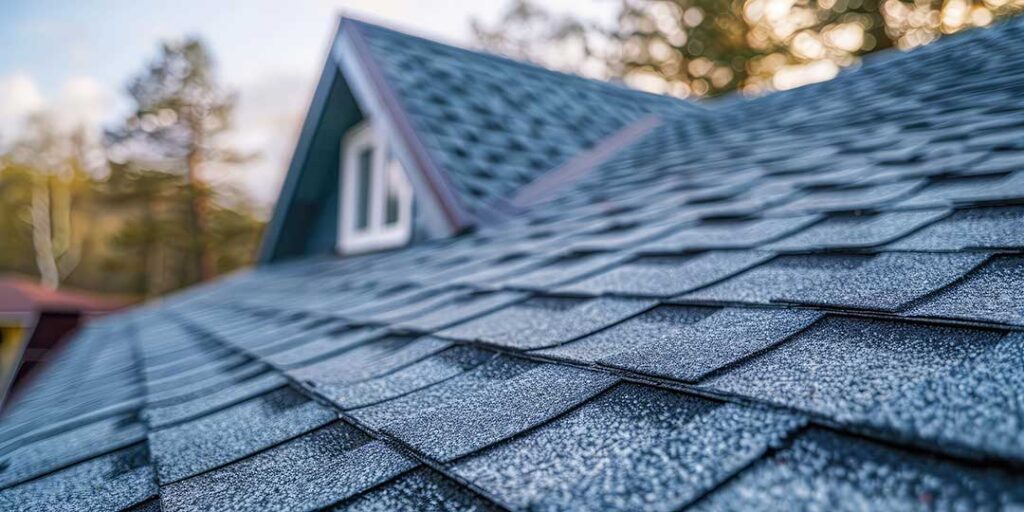
Soffits and fascia are two roof-edge components that help protect a house from water, wind, insects, and poor attic ventilation. Although they are often overlooked, their condition can affect roof performance, siding, insulation, and indoor comfort.
What are soffits and fascia?
The soffit is the material installed beneath the roof overhang. Looking up from outside, it is the underside of the eaves. Soffits may be made from aluminum, vinyl, wood, or other weather-resistant materials.
The fascia is the vertical board or finished panel along the lower edge of the roof. Gutters are commonly attached to the fascia, which means this narrow area may be exposed to substantial moisture.
Together, these parts form a transition between the roof, exterior walls, attic, and gutter system. They are decorative, but their main purpose is protective.
What does a soffit do?
A soffit helps shield the underside of the roof overhang while allowing controlled airflow into the attic. This airflow is usually provided through small perforations or dedicated vents in the soffit.
Proper intake ventilation can help:
- Reduce excessive heat buildup in summer
- Limit condensation during cold weather
- Support balanced attic ventilation
- Protect insulation from moisture-related problems
- Reduce the risk of premature roof-deck deterioration
Soffit vents work as part of a larger ventilation system. Air typically enters through the lower roof edge and exits through higher vents near the ridge or upper roof area. If intake vents are blocked by insulation, paint, nesting material, or debris, the attic may not ventilate as intended.
A common misconception is that more ventilation is always better. Attic ventilation must be balanced. Adding or opening vents without considering the entire system can allow wind-driven snow or rain into the attic or disrupt airflow.
What does fascia do?
Fascia provides a finished edge at the roofline and supports the lower edge of some roofing materials. It also serves as a common mounting surface for gutters.
Because gutters collect and direct roof runoff, the fascia behind them must remain sound. Water can enter through loose gutter fasteners, overflowing gutters, failed flashing, or deteriorated roofing edges. Once moisture reaches the fascia board, it may cause swelling, decay, paint failure, or separation at joints.
Fascia also helps keep water from reaching the wall framing. Damage in this area may therefore extend beyond the visible trim and affect the roof edge, soffit, sheathing, or siding.
Why do these components matter in Camillus?
Seasonal weather places repeated stress on roof-edge materials. In Camillus, homes experience freezing temperatures, snow, ice, wind, thawing conditions, and periods of heavy rainfall. These cycles can expose weak points that remain unnoticed during mild weather.
Snow and ice can add weight to gutters and fascia. Freeze-thaw movement may widen small cracks or loosen fasteners. During spring rain, clogged or poorly pitched gutters can overflow against the roof edge. Summer humidity can also make existing ventilation or moisture problems more noticeable in the attic.
Older homes may have wood soffits and fascia that require regular painting and close inspection. Newer homes may use aluminum or vinyl coverings, but these materials can still bend, detach, crack, or conceal moisture damage beneath them.
What are common signs of soffit or fascia problems?
Visible damage is not always limited to the roof edge. Warning signs may include:
- Peeling or blistering paint near the eaves
- Dark stains, streaks, or soft spots
- Sagging or detached gutter sections
- Gaps between soffit panels or fascia joints
- Cracked, warped, or loose soffit material
- Small holes that may allow insects or birds to enter
- Water marks on attic rafters or roof sheathing
- Damp insulation near the outside walls
- Poor airflow or a noticeably hot attic
- Recurring ice buildup along the lower roof edge
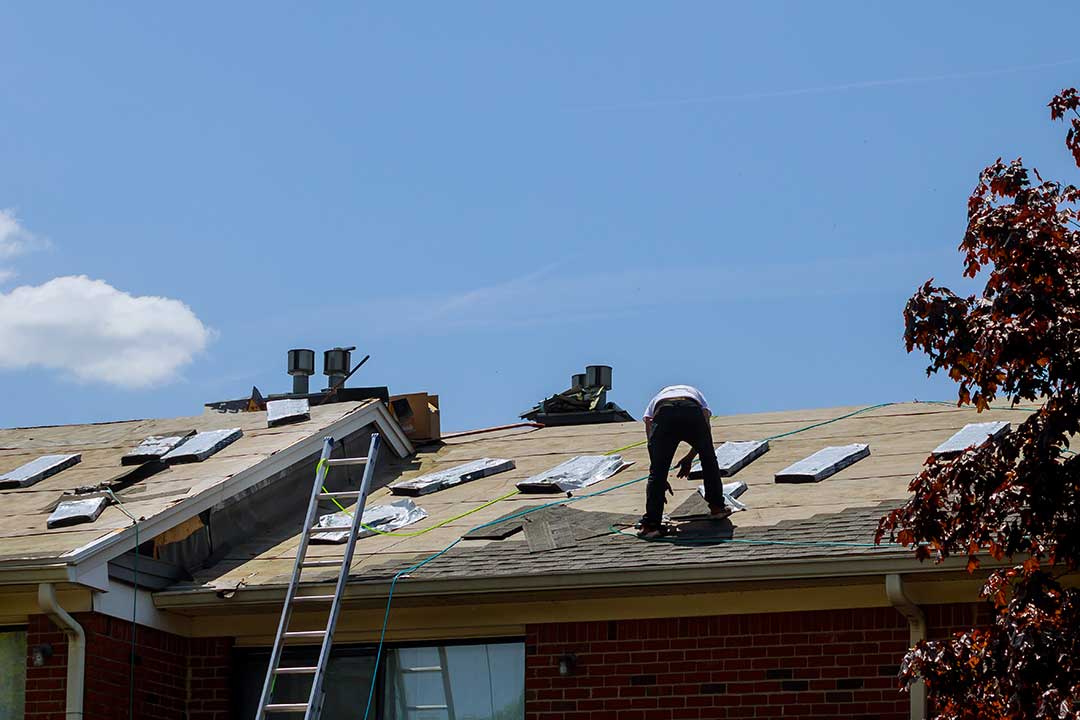
A small gap in a soffit is not automatically proof of a major roof failure. However, it can allow insects, rodents, wind-driven rain, or drifting snow to enter. The surrounding area should be checked for moisture and structural damage.
How do soffits and fascia become damaged?
Moisture is the most common cause of deterioration, but several conditions can contribute. Gutters that overflow may repeatedly wet the fascia. Improperly installed flashing can direct water behind the trim. Roof leaks may travel along the underside of the roof and appear at the eaves rather than directly below the original entry point.
Animals and insects may enlarge ventilation openings or nest inside the roof overhang. Strong winds can loosen panels or pull out fasteners. Painting over blocked soffit vents may reduce airflow, while poorly fitted replacement panels can leave gaps.
In wood components, damage may begin beneath paint and remain hidden until the surface becomes soft. Aluminum and vinyl do not rot in the same way, but they can conceal damaged wood behind the covering.
Can damaged soffits or fascia be repaired?
Minor problems may involve replacing a short section, securing loose panels, resealing a joint, correcting a gutter attachment, or clearing a blocked vent. The appropriate repair depends on whether the problem is limited to the visible material or has reached the wood, roof edge, or wall framing behind it.
Replacing trim without correcting the source of moisture usually leads to recurring damage. For example, new fascia will not solve an overflowing gutter, failed flashing detail, or roof leak.
Wood components may sometimes be repaired when deterioration is limited. Extensive decay, repeated movement, or weakened gutter support may require replacement of a larger section. Any work near the roof edge also involves fall hazards, especially when surfaces are wet, icy, or snow-covered.
How should homeowners inspect the roof edge?
A ground-level inspection can identify many problems without climbing. Look along the eaves and rake edges for uneven lines, gaps, staining, sagging gutters, and loose panels. After heavy rain, observe whether water spills over the gutter or runs behind it.
From inside the attic, check for damp insulation, daylight through unintended openings, darkened wood, frost, or staining. Do not disturb suspected mold, animal nests, or electrical components. A roof-edge inspection should be postponed during icy or windy conditions.
Keeping gutters clear, maintaining exterior paint on wood trim, and ensuring that soffit openings remain unobstructed can help extend the life of these components. Vent openings should not be sealed simply to stop drafts; the goal is controlled ventilation, not an airtight roof overhang.
Are soffits and fascia part of the roofing system?
Yes. They are not the roof covering itself, but they interact directly with roofing, flashing, gutters, attic ventilation, siding, and exterior wall protection. A roof can appear to be in acceptable condition while the roof edge is allowing moisture into the structure.
Understanding this connection makes it easier to interpret warning signs. A stained fascia board may point to a gutter problem, a roof leak, or inadequate flashing. A damaged soffit may indicate animal entry, blocked ventilation, or moisture moving through the eaves.
Regular observation from the ground, especially after winter and during periods of heavy rain, can reveal problems before they spread into less visible parts of the house.
