
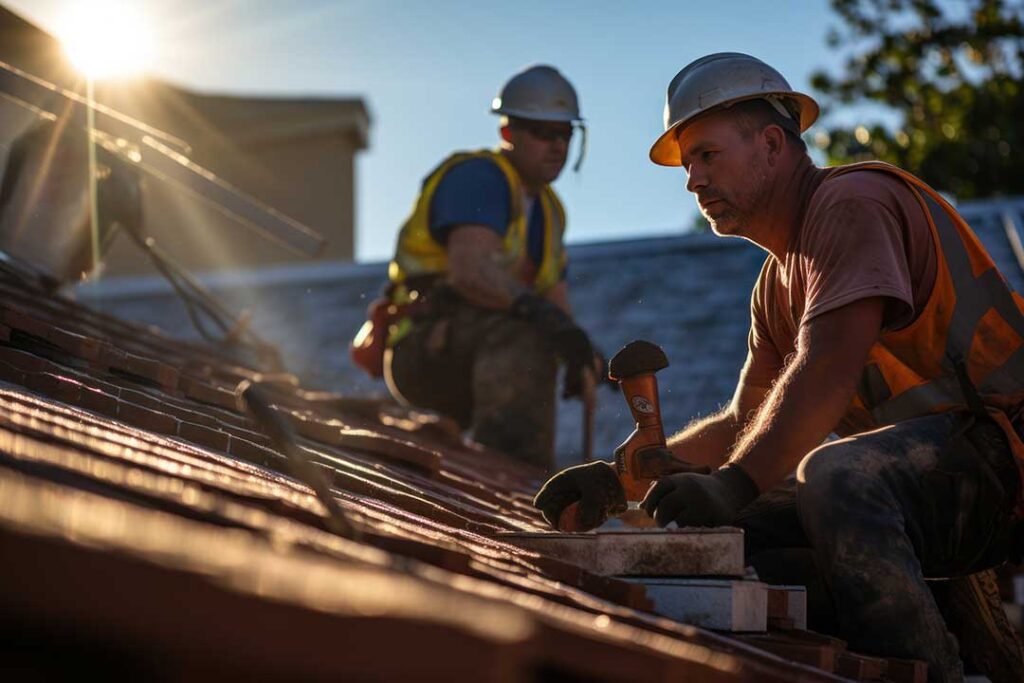
Who Can Safely Attempt Roof Repairs in Camillus, NY?
For many local homeowners, minor roof work may seem doable. It is generally safe for area residents to attempt roof maintenance themselves when the work is limited to minor repairs, the roof is low-pitched, and weather conditions are suitable. However, personal physical ability, comfort with heights, and awareness of safe practices are essential.
In Camillus, typical suburban homes often feature moderately sloped roofs with asphalt shingles. Tasks like clearing debris from gutters, replacing a few shingles, or applying roof sealant around exposed nails can be within reach for those with basic skills, provided all necessary safety precautions are in place. Tasks such as full re-roofing, working on steep or high roofs, or handling storm damage or structural issues should be left to those with advanced expertise due to the risks involved.
What Seasonal and Weather Factors Matter Most?
Local climate plays a direct role in safe DIY roof work. For Camillus residents, the best times to consider minor roof projects are late spring, summer, and early autumn. These periods typically offer dry conditions, milder temperatures, and fewer chances of high winds.
- Never work on a wet, icy, or snow-covered roof. The roof surface becomes extremely slippery, even with just morning dew or a thin layer of frost. Conditions can change rapidly, especially in early spring and late fall.
- Wind can be a hidden danger. Even moderate breezes can cause balance loss or blow tools and materials from your hands.
Checking a local forecast before scheduling work is crucial. Avoid rushing roof tasks just before an incoming storm; Camillus weather can change quickly, especially during transitional seasons.
What Tools and Equipment Are Required for Safety?
The right gear is non-negotiable for any work above ground level. At a minimum, safe roof work in the city means reliable, non-slip footwear, gloves, and eye protection. An extension ladder in excellent condition that reaches at least three feet above the roof edge is required for easy transition between ladder and roof. Ladder placement should be on level ground, with one person holding it steady if possible.
Personal fall protection systems—such as a roof harness anchored securely—are advised for any work near roof edges or higher than a single story. While many local residents may not own this equipment, it can be rented or purchased. Attempting work without these precautions is the most common cause of household injuries related to roof repair.
Which Roofing Jobs Are Reasonably DIY?
Some roof maintenance tasks are generally safe for Camillus area homeowners who follow guidelines and feel comfortable with heights:
- Cleaning out gutters and downspouts
- Replacing a handful of missing or cracked shingles (on low-slope, single-story roofs)
- Applying small patches of roof sealant or flashing to well-defined leaks
- Checking and securing loose flashing around chimneys or vents
Steeply-pitched roofs, older slate or tile materials, skylight installation, electrical work related to attic fans, and any job that requires moving large bundles of shingles should not be attempted without professional experience. Improper work can cause leaks, structural damage, or serious injury.
What Are the Legal or Insurance Considerations?
Generally, local regulations in Camillus do not require permits for simple repairs such as minor shingle replacements or cleaning gutters. Larger repairs might require permits, especially if structural changes are involved or if the work may affect overall roof performance. Some homeowners’ insurance policies can become void or may deny claims if roof work was done incorrectly or unsafely by a non-professional and leads to later damage.
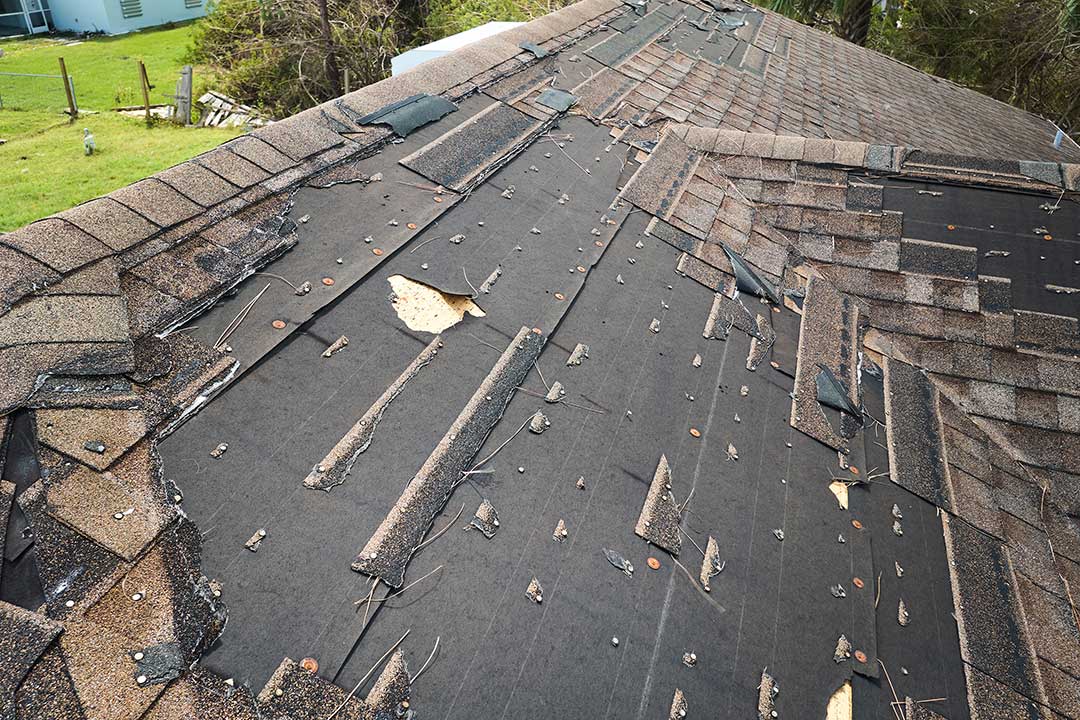
Residents should document any work done themselves and consult their insurance policy before significant repair attempts to ensure roof coverage stays intact.
How Do Local Roof Types and Heights Affect Safety?
Roof design plays a key role in the risk involved. In Camillus, many homes have gable or hip roof styles with lower slopes that may be more accessible than those found in older or custom-built houses.
- Single-story, low-slope roofs: Generally more manageable for confident DIYers with proper equipment.
- Two-story or steep roofs: Significantly increase risk, even for those with home maintenance experience.
- Older roofs (over 25 years old): May have weak support underfoot or carry hidden hazards like soft spots.
If a roof feels unstable or has visible damage following storms typical to the region, residents should avoid walking on it entirely.
What If You Encounter Unexpected Issues?
Even careful planners can run into trouble, such as discovering soft decking, active leaks, signs of animal nesting, or potential mold while performing what seemed like a minor task. In these cases, stop work and assess the situation before proceeding. Document findings with phone photos for your own records and insurance.
Sometimes, stepping away and seeking further guidance is safer than risking injury or compounding the problem. Camillus residents can benefit from checking reputable educational resources about residential roofing to make sure they’re working within a safe scope.
What’s the Most Overlooked Risk for Homeowners?
The most overlooked risk is underestimating the physical and environmental hazards involved. Local households may view roof work as just another household chore but forget that falls from even a single-story roof often result in serious injury. Ladders themselves are a common source of accidents, particularly if placed on uneven ground, set at the wrong angle, or climbed while carrying tools.
The stability of the working surface, safe access up and down, and immediate awareness of weather changes are as important as any repair skills. Taking the extra time to prepare, plan, and recognize personal limits is the key to staying safe.
