
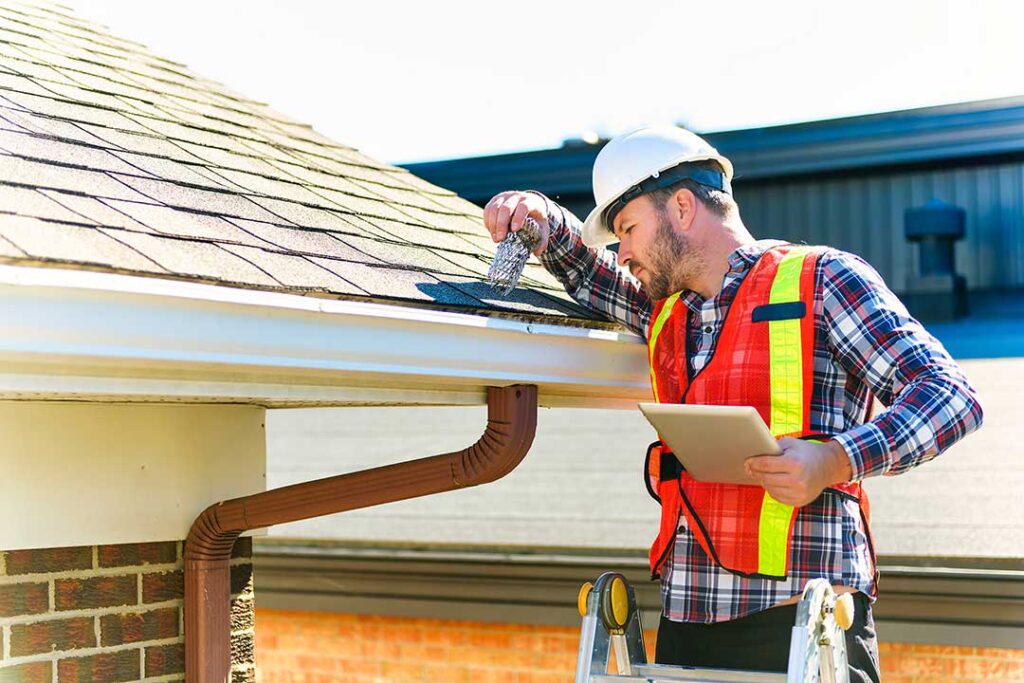
What Steps Are Involved in a Typical Roof Replacement?
A residential roof replacement in Camillus, NY involves a series of coordinated steps, each with a practical purpose. Understanding these stages helps homeowners prepare for the process, make informed decisions, and spot potential issues early.
Typically, a roof replacement involves:
- Initial inspection and assessment
- Material selection and delivery
- Removal of the existing roof
- Repair of decking and underlying structures
- Installation of underlayment and flashing
- Shingle or roofing material installation
- Final cleanup and inspection
Each phase builds on the previous one to create a safe, weather-tight barrier overhead.
—
How Does the Local Climate Influence Roofing Choices?
Central New York’s climate, with its cold winters, regular snowfall, and occasional ice storms, directly shapes which roofing materials and methods perform best for area homes. Heavy snow loads require sturdy framing and durable materials. Ice dams can be a concern, making high-quality underlayment and proper attic ventilation especially important.
- Asphalt shingles are popular for balancing cost and durability.
- Metal roofing is gaining attention for shedding snow but can be noisier in rain.
- Attention to weatherproofing details, such as ice and water shields, is higher in regions with freeze-thaw cycles like Camillus.
Local building codes may require ice and water barriers along eaves and valleys to guard against leaks from melting snow.
—
What Should Residents Expect During the Tear-Off?
The removal of an old roof can be noisy and messy, but it's essential for a thorough replacement. Most homes in Camillus have asphalt shingle roofs, which are pried up and disposed of before work on the underlying structure begins.
- Expect protective tarps to be placed over gardens and walkways.
- The tear-off process reveals the condition of the sheathing (wood under the shingles).
- Unexpected repairs—such as replacing rotten boards—are common and easier to address during this phase.
Temporary debris around the property is normal, but responsible crews maintain safety and contain nails and scraps.
—
How Long Does a Roof Replacement Usually Take?
For an average single-family home in the community, replacement generally takes 1 to 3 days, depending on weather, roof size, and complexity. Occasional delays can happen if unexpected repairs are needed or if rain interrupts the project.
- Homes with simple rooflines are quicker to complete.
- Multiple stories, steep slopes, or hidden damage can extend the timeline.
- In spring and fall, unpredictable weather sometimes causes short pauses in the work.
Residents typically need to plan for some daytime disruption but can stay in the home during the project.
—
What Safety and Legal Concerns Matter Locally?
Worker safety and compliance with code are priorities. In Camillus, permits are required for full roof replacements. These local regulations are designed to ensure structural soundness and protect against future problems.
- Roofing work involves fall hazards, power tools, and heavy materials; safety gear and best practices are important.
- Waste must be handled properly to avoid injuries or neighborhood disputes.
- If the home was built before 1978, there may be requirements for safe handling if lead paint is encountered around eaves or soffits.
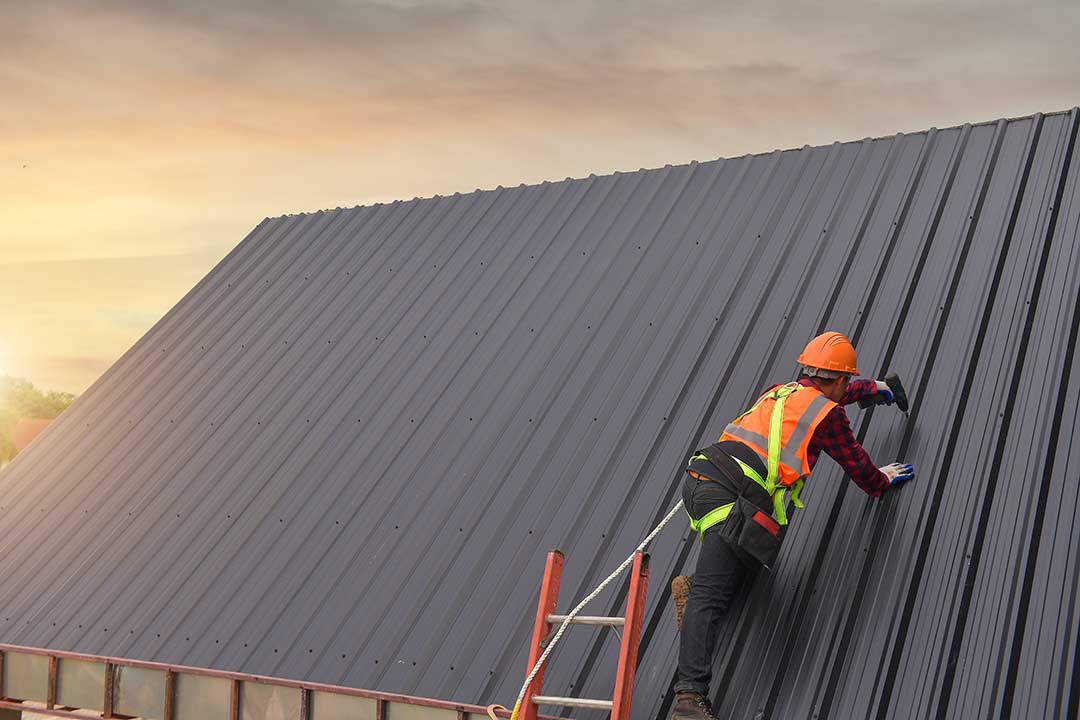
Area residents should know that it is not safe to attempt large roofing projects without training, especially when ladders, steep slopes, or electrical wires are involved. For minor checks—such as looking for missing shingles—binoculars or inspecting from the ground can reduce risk.
—
What Preparation Should Households Do Before Work Starts?
A bit of preparation helps the process run smoothly and minimizes disruptions:
- Move vehicles away from the driveway.
- Take breakable items off walls, as vibrations can cause them to fall.
- Protect attic contents from dust with tarps or sheets.
- Plan for pets, as loud noises may cause stress.
- Alert neighbors to the upcoming project out of courtesy.
Roofing crews generally bring their own dumpsters or removal systems but may need access to exterior power outlets.
—
What Common Misunderstandings Exist About Roof Replacement?
Many homeowners have questions or misconceptions about the process. Some assume new shingles can simply be installed over old ones, but this “overlay” method is less reliable than full tear-off and is generally discouraged in the region’s freeze/thaw climate. Others underestimate the importance of attic ventilation, which prevents moisture buildup and ice damming in winter.
Residents sometimes expect all projects to be completed in a single day, but weather and unforeseen decking repairs can change schedules. Clear communication with the foreman or project lead helps set realistic expectations.
—
How Does a Homeowner Know the Roof Is Finished Properly?
A thorough cleanup and final inspection signal a well-done project. Common signs of high-quality completion include:
- Evenly aligned shingles with neat edges
- Properly sealed flashing around chimneys, skylights, and vents
- No visible debris, nails, or scraps left on the property
- Functioning gutters and downspouts
It’s always smart to visually inspect the attic after the first heavy rain to catch new leaks early.
—
