
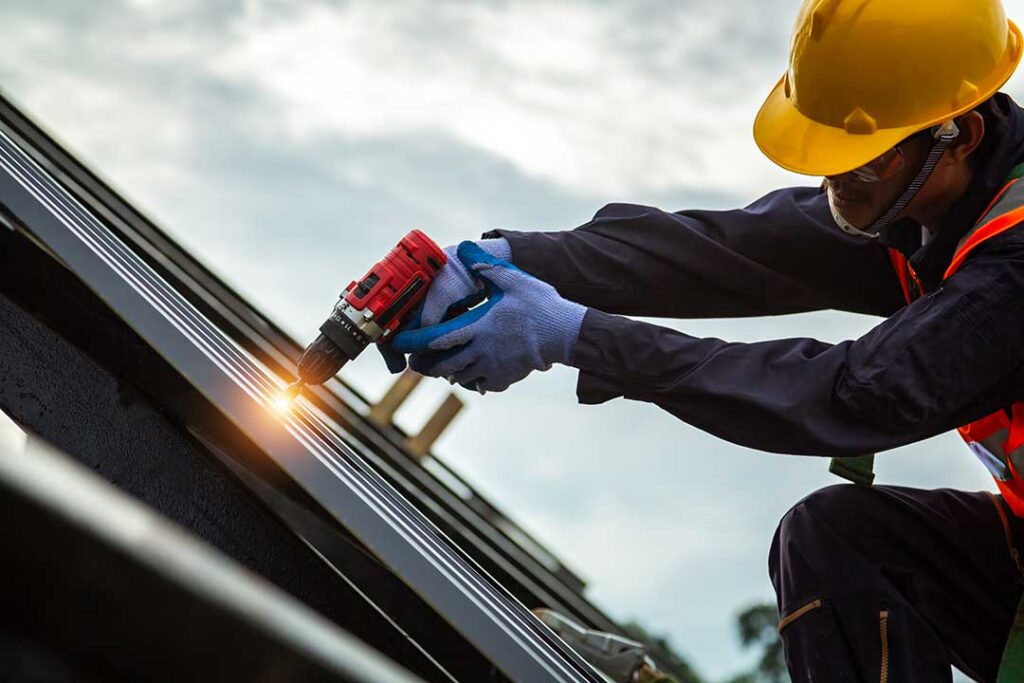
Why Is Rain So Noisy on Residential Roofs?
For Camillus, NY homeowners, the patter of rain can be relaxing—until it becomes a racket. The clattering sound of rain hitting a roof depends on roofing materials, home insulation, attic space, and even how the home is built. In local neighborhoods with older, steep-sloped roofs or metal sheeting, residents sometimes find rain especially loud. This effect can become more noticeable during heavy spring storms or when ice pellets mix in during winter.
Several factors contribute:
- Roof material (metal is louder than asphalt or composite shingles)
- Lack of attic insulation or finished attic space
- Gaps, openings, or aging roof construction
- Sparse ceilings in older homes
Being aware of the specific design elements in area homes helps residents of the city understand where excess rain noise may originate.
Can Attic Insulation Really Help Muffle Rain Sounds?
Adding or upgrading attic insulation often makes a significant difference in reducing rain noise. Thick blankets of insulation absorb sound waves, instead of letting them bounce around in open attic spaces.
In Camillus homes with unfinished attics or limited ceiling insulation, rain noise is usually more pronounced. Installing high-density fiberglass or cellulose insulation is an effective way to soften rain’s impact noise. Local conditions mean energy-efficient insulation serves a dual purpose: it keeps homes warmer in winter and quieter during storms. Insulation upgrades can also help with snow-melt issues and reduce ice dam risks, both frequent concerns in Central New York climates.
Are Certain Roofing Materials Quieter Than Others?
Roof type is one of the largest factors in noise levels from rain. For many Camillus residents, the existing shingle or tile style is already decided. However, understanding which materials are quieter can inform future choices:
- Asphalt shingles—Common on local homes, these tend to muffle rain well because they are layered and slightly flexible.
- Metal roofing—Popular for sheds or additions, but can be very loud in rain unless backed by underlayment or insulating panels.
- Clay tiles or slate—Less common locally, but both materials reduce noise; installation quality also matters.
- Wood shakes and synthetic products—Some versions absorb sound better than others.
If roof replacement is on the horizon, residents looking for peace and quiet may consider shingle types and ask specifically about sound-dampening options. For existing metal roofs, installing sound-absorbing attic panels or dense underlayment during repairs can tone down excess noise.
What Quick Fixes or DIY Strategies Help Minimize Rain Noise?
Not everyone is renovating or replacing a roof. Many residents just want practical ideas to keep the house comfortable and quiet during downpours. There are several steps that can make a real difference—some are simple weekend projects:
- Add rugs or heavy curtains inside top-floor rooms to absorb echo and vibration.
- Weather-seal attic doors, pull-down stairs, and any ceiling hatches.
- Use spray foam or acoustic sealant to fill air gaps around attic vents and can lights.
- If safe to do so, install foam board or acoustic panels on attic rafters (never block necessary venting).
- For especially noisy spots, adhesive-backed rubber mats can be cut and discretely adhered in hidden attic locations.
None of these changes require special tools or extensive construction knowledge. They won’t silence rain completely, but they can shift the sound from disruptive to tolerable, especially during overnight storms.
Is Rain Noise Ever a Warning Sign for Roof Trouble?
In some Camillus homes, a sudden increase in rain noise can point to a developing roofing issue. If things seem much louder than in past seasons, or if distinct “drumming” is isolated to one section, it’s wise to investigate.
Possible causes might be:
- Loose or missing roofing panels or shingles
- Worn-out or detached underlayment
- New roof gaps allowing water (and sound) to come in more easily
- Water stains or soft spots in the attic after loud rain events
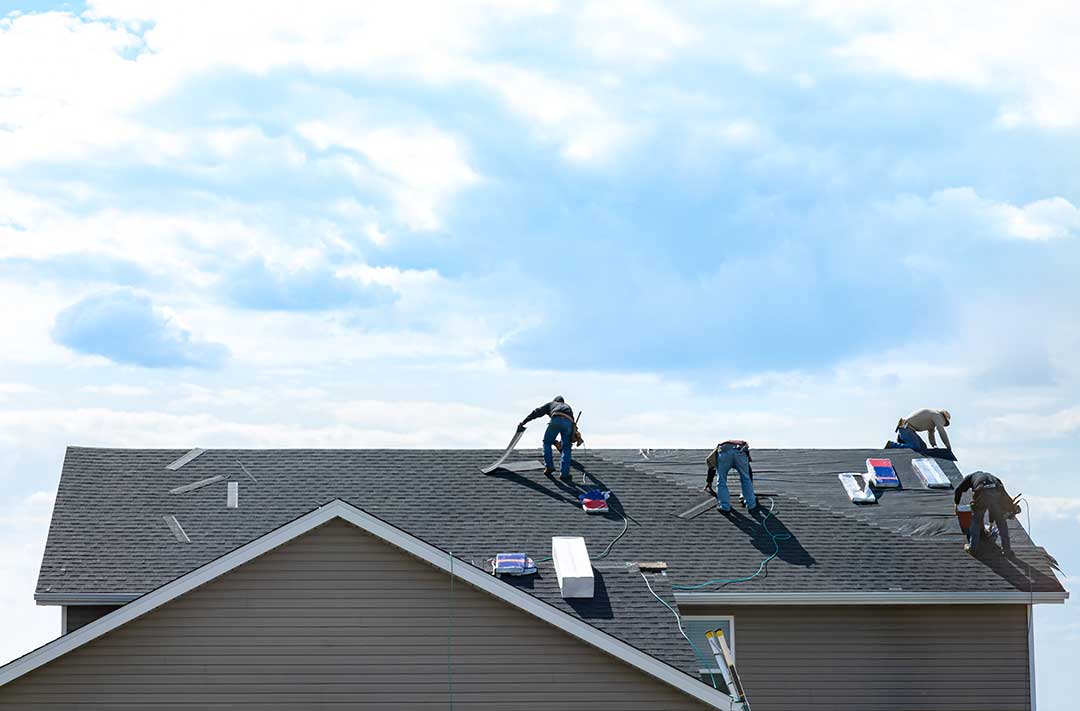
While increased sound alone doesn’t always signal trouble, it’s a good idea to check vulnerable areas after especially noisy rainfall—particularly with the freeze/thaw cycles common in the city’s climate.
Are There Home Design Features That Make Rain Sound Worse or Better?
The height of ceilings, the slope of the roof, and whether rooms are directly below the attic all play roles in how rain is heard inside.
- Cathedral ceilings, open lofts, or unfinished bonus rooms beneath the roof mean less material to buffer noise.
- Lower-pitched roofs may let rain slide off more quietly, while steeper slopes can “amplify” the patter.
- Homes with little attic clearance, popular in newer developments, may need more in-ceiling insulation to dampen outside noise.
Area households planning major renovations can discuss these effects in advance. Sometimes switching the location of a bedroom or adding sheetrock and insulation to an open attic makes a sleeping space much quieter.
Are Heavy Rains Louder Than Light Showers?
Intensity and droplet size both matter. In the city’s spring and summer climate, fast-moving thunderstorms with heavy rain create much more noticeable sound levels, especially on roofs without much insulation. Light, gentle precipitation might barely be audible. Hail, freezing rain, or sleet—both common in local winters—can be even noisier due to their harder impacts. It’s normal for noise levels to fluctuate by season.
What Are Overlooked Methods Residents Use to Quiet Their Homes?
Some less obvious strategies can reduce rain noise:
- Sometimes, simple white noise (fans, sound machines) can help mask disruptive rain, especially for light sleepers.
- Hanging heavy art or bookshelves on upper-floor walls adds a layer of mass that absorbs vibration.
- Even landscaping: densely planted trees or shrubs near exterior walls sometimes reduce splatter and soften the overall sound.
By focusing on insulation, sealing gaps, and understanding which home design features matter most, area homeowners can achieve a quieter, more comfortable living space during the region’s frequent rainfalls.
